
Una división de Aufer Solutions SL
Soluciones de tratamiento industrial de superficies
Sistemas de tratamiento por plasma y corona diseñados para mejorar la adhesión, aumentar la energía superficial y garantizar procesos de producción industrial estables.
Sobre nosotros
Ingeniería de soluciones de tratamiento de superficies para la industria
En Aufer Surface Tech, somos un socio técnico industrial especializado en tecnologías de tratamiento de superficies.
Ofrecemos soluciones para industrias de converting en España, Francia y Portugal, apoyando a los clientes desde la evaluación inicial hasta la integración del sistema y la optimización técnica a largo plazo.
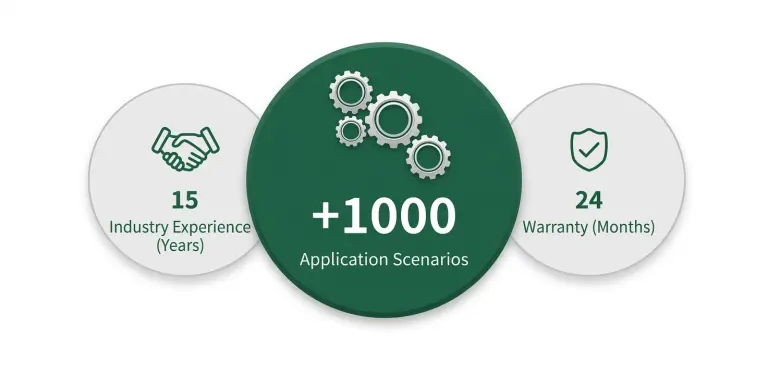
Como socio oficial y distribuidor de Keylink Technology en nuestra región, combinamos equipos probados con experiencia de ingeniería local. Los sistemas Keylink están instalados en más de 1.000 aplicaciones industriales en todo el mundo, ofreciendo un rendimiento fiable en entornos de producción exigentes.
Nuestro enfoque no se limita al suministro de equipos, sino a garantizar su correcta integración en procesos reales de producción, logrando una energía superficial estable, una adhesión mejorada y resultados consistentes.
Aufer integra tecnologías de corona y plasma en procesos reales de producción industrial.
Nuestras tecnologías:
Soluciones de tratamiento de superficies adaptadas a cada material, geometría y proceso de producción.
TRATAMIENTO CORONA
Activación superficial de alta frecuencia para films y materiales continuos.
Mejora la adhesión de la tinta y garantiza una energía superficial uniforme en toda la banda.
TRATAMIENTO POR PLASMA
Tratamiento superficial localizado y de alta eficiencia para geometrías complejas y piezas 3D.
Ideal para aplicaciones técnicas que requieren precisión y control.
INGENIERÍA / INTEGRACIÓN
Integración a medida de sistemas de corona y plasma en líneas de producción existentes.
Desde la evaluación inicial hasta la instalación y la optimización.
Cada aplicación requiere la tecnología, la configuración y los parámetros de proceso adecuados. Analizamos sus condiciones de producción para ofrecer un resultado fiable y medible.
Aplicaciones industriales
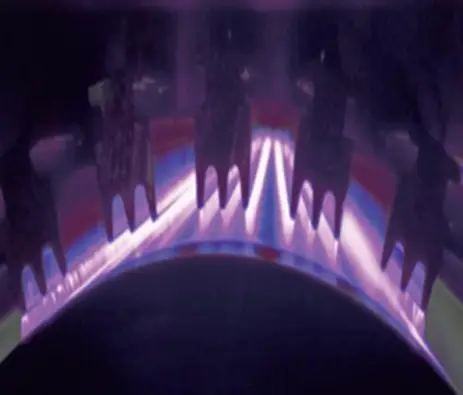
Películas y embalajes flexibles
Activación superficial de films de PE, PP y PET para garantizar una correcta adhesión de la tinta y una calidad de impresión constante en impresión flexográfica y en huecograbado.
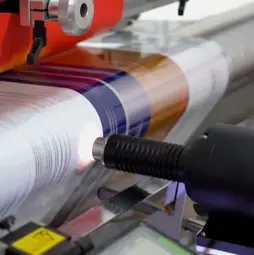
Etiquetas e impresión
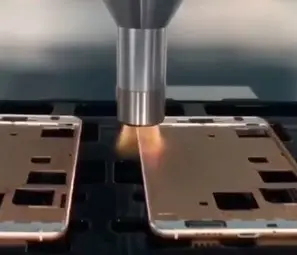
Piezas 3D / Componentes industriales
FAQ
El tratamiento corona es un proceso de activación superficial que utiliza descarga eléctrica de alta frecuencia para aumentar la energía superficial de materiales de baja energía como films de poliolefinas (PE, PP, PET). La descarga modifica la estructura molecular de la superficie del material, mejorando la humectabilidad y permitiendo una adhesión fiable de tintas, recubrimientos y laminados. El tratamiento corona se aplica habitualmente en línea en procesos de banda continua a alta velocidad de producción.
El tratamiento por plasma es una tecnología de activación superficial que utiliza una descarga de plasma controlada para modificar la superficie del material. A diferencia del tratamiento corona, los sistemas de plasma pueden aplicarse a geometrías complejas, piezas tridimensionales y zonas localizadas con alta precisión. El proceso elimina la contaminación superficial y aumenta la energía superficial, permitiendo una adhesión fiable de tintas, recubrimientos y adhesivos en materiales técnicamente exigentes como plásticos de ingeniería y componentes de automoción.
El tratamiento corona está diseñado para materiales en banda continua como films, láminas y laminados a alta velocidad de producción. El tratamiento por plasma se utiliza para geometrías complejas, piezas tridimensionales y aplicaciones que requieren activación superficial localizada o selectiva. Los sistemas corona son generalmente más económicos para el procesado de materiales planos a alta velocidad, mientras que los sistemas de plasma ofrecen mayor precisión y flexibilidad para componentes técnicos y aplicaciones industriales exigentes. La elección entre ambos depende del tipo de material, la geometría y los requisitos del proceso.
El tratamiento corona se aplica habitualmente a films de poliolefinas como PE, PP y PET, así como a láminas, laminados y materiales recubiertos utilizados en envase flexible e impresión de etiquetas. El tratamiento por plasma abarca una gama más amplia de materiales, incluyendo plásticos de ingeniería, poliamida, policarbonato, ABS, PEEK y superficies metálicas. Ambas tecnologías son eficaces en materiales de baja energía superficial que presentan dificultades de adhesión en procesos de impresión, recubrimiento y unión.
Los indicadores más comunes son fallos de adhesión de tintas, defectos de recubrimiento, delaminación o calidad de impresión inconsistente en films plásticos o componentes. Si sus materiales son poliolefinas o plásticos de ingeniería, suelen tener una energía superficial baja — normalmente por debajo de 36 dyn/cm — y requieren activación superficial antes de la impresión, el recubrimiento o la unión. Un sencillo test de humectabilidad con tintas de dinas puede confirmar si la energía superficial de su material es suficiente. Si está experimentando problemas de adhesión o iniciando un nuevo proceso de producción con materiales de baja energía, es muy probable que necesite tratamiento superficial.
El tratamiento superficial por plasma y corona se utiliza en una amplia gama de industrias. El envase flexible y el converting de films utilizan el tratamiento corona para garantizar la adhesión de tintas en procesos de impresión flexográfica y huecograbado. La impresión de etiquetas y las aplicaciones de banda estrecha usan la activación superficial para garantizar una calidad de impresión constante en sustratos difíciles. La industria de automoción aplica el tratamiento por plasma a componentes plásticos antes del pintado, la unión o el ensamblaje. La fabricación de dispositivos médicos utiliza la activación por plasma para una adhesión fiable en plásticos técnicos. La fabricación industrial y la electrónica también aplican el tratamiento superficial para garantizar un rendimiento fiable de recubrimientos y uniones.
¿Por qué Aufer Surface Tech?
ENFOQUE DE INGENIERÍA
CAPACIDAD DE INTEGRACIÓN
ASISTENCIA TÉCNICA
Ingeniería orientada al proceso
👉 Analizamos sus materiales, velocidades y condiciones de producción para definir la solución de tratamiento adecuada, no solo suministrar equipos.
Integración en líneas existentes
👉 Nuestros sistemas están diseñados para integrarse en su configuración de producción actual, garantizando una interrupción mínima y la máxima eficiencia.
Soporte técnico y optimización
👉 Desde las pruebas iniciales hasta la producción completa, le ayudamos a conseguir resultados estables y medibles.
Hablemos de su aplicación
Cuéntenos el material, la geometría y la velocidad de su línea. Le ayudaremos a definir la solución de tratamiento más adecuada.


